




Schneider Electric and Torngat Metals have signed a memorandum of understanding to explore an end-to-end rare earths partnership centred on Canada’s Strange Lake project, linking mining, processing, industrial technology and downstream demand to strengthen critical minerals supply chains.
- Mining and manufacturing converge on critical minerals security
- Strange Lake at the heart of a future rare earth ecosystem
- A dual strategy focused on project development and supply resilience
- Critical minerals become a strategic priority
- Connecting mining projects to future demand
- Technology partnerships reshape mine development
Mining and manufacturing converge on critical minerals security
As governments and industries race to secure supplies of the minerals underpinning the energy transition, new partnerships are emerging that extend well beyond traditional buyer-seller relationships.
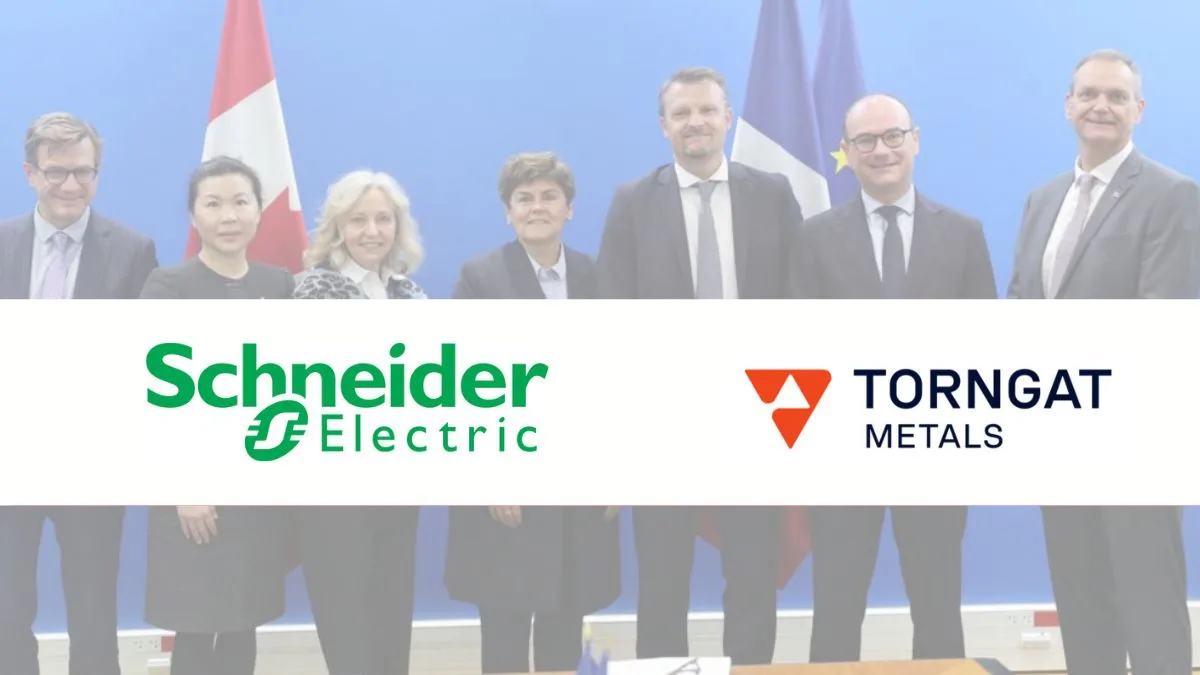
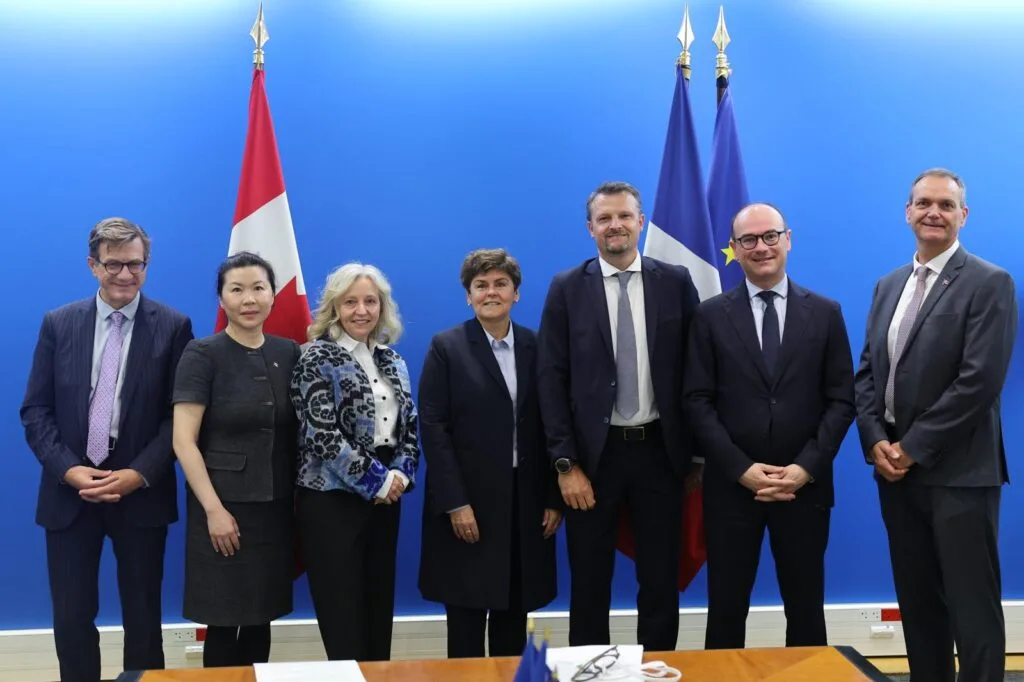
Schneider Electric and Canadian rare earth developer Torngat Metals have signed a non-binding memorandum of understanding (MOU) to explore what the companies describe as a “360° partnership” aimed at building a more resilient and responsible rare earth value chain.
The proposed collaboration brings together upstream resource development, industrial technology expertise and downstream demand in a bid to create an integrated supply chain model for critical minerals.
At the centre of the initiative is the Strange Lake rare earth project in northern Canada.
Strange Lake at the heart of a future rare earth ecosystem
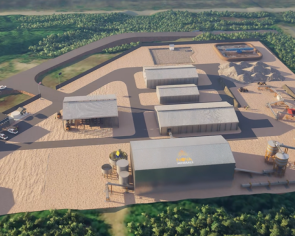
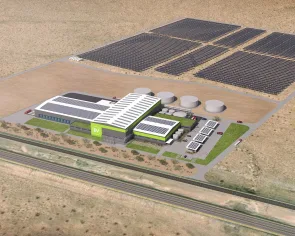
The partnership is anchored around Torngat Metals’ Strange Lake project in Nunavik, alongside associated infrastructure in Labrador and a planned separation facility in Sept-Îles, Quebec.
The project is expected to produce both heavy and light rare earth elements that are essential for manufacturing permanent magnets used in:
- Renewable energy technologies
- Digital infrastructure
- Advanced manufacturing applications
Rare earth magnets have become increasingly important as demand accelerates across electrification, automation and emerging technologies, while geopolitical tensions continue to expose vulnerabilities in global supply chains.
The MOU seeks to address those challenges by connecting mining operations directly with industrial users and technology providers.
A dual strategy focused on project development and supply resilience
According to the companies, the proposed partnership has two primary objectives.
The first is to support development of a next-generation mining and processing project through Schneider Electric’s expertise in:
- Electrification
- Automation
- Digital systems
- Sustainable industrial design
The second is to strengthen Schneider Electric’s long-term supply chain resilience by improving access to a secure, responsible and compliant rare earth ecosystem supporting strategic applications.
Rather than serving solely as a project services agreement, the collaboration is designed to create an integrated value chain stretching from resource extraction to industrial end use.
Critical minerals become a strategic priority
The announcement highlights how critical mineral security is becoming increasingly intertwined with broader industrial and energy transition strategies.
“This partnership reflects a clear reality: the energy transition depends not only on technology, but on secure and responsible access to critical materials,” said Frederick Morency, VP, Sustainability, Strategic Initiatives & Innovation for Schneider Electric Canada.
“With Torngat Metals, we are aiming for a fully integrated approach, from resource to industrial use, that strengthens both project development and long-term supply resilience. It is a concrete example of how industrial players can come together to build trusted supply chains.”
The shift represents a move away from commodity transactions towards deeper collaboration with downstream customers seeking greater certainty over future supply.
Connecting mining projects to future demand
Torngat Metals believes the partnership could help position Strange Lake as a cornerstone of North America’s emerging rare earth ecosystem.
“Strange Lake is designed to become a key player in building a resilient and responsible rare earth supply chain,” said Maryse Bélanger, Interim Chief Executive Director and President of the Board, Torngat Metals.
“Working with Schneider Electric will enable us to integrate world-class industrial technology designed with sustainability in mind in our future operations, while connecting our project to real downstream demand. This is an opportunity to build not just a mine, but a complete, future-ready value chain.”
The emphasis on downstream integration reflects growing investor and government interest in projects capable of demonstrating not only geological potential, but also clear routes to market.
Technology partnerships reshape mine development
The proposed collaboration also illustrates how mining developers are increasingly incorporating advanced technologies earlier in project design.
Schneider Electric’s capabilities in energy management, automation and digitalisation could support operational efficiency and sustainability objectives across the project lifecycle, from engineering through to production.
“This partnership illustrates how we collaborate with our strategic partners, sharing our advanced energy technologies to enable more sustainable and efficient processes,” said Stéphane Piat, SVP, Global Supply Chain Strategy & Performance, Schneider Electric.
“Torngat Metals supports our resilience strategy by securing the availability of the critical materials essential to an antifragile supply chain.”
This article was produced by the editorial team at Mining Outlook and published as part of the Outlook Publishing global network of B2B industry magazines.
Outlook Publishing delivers industry insights, company stories, and sector coverage across mining, manufacturing, construction, healthcare, supply chains, food production, and sustainability.
Mining Outlook provides ongoing coverage of organisations and developments shaping the global mining industry.