




Kumba Iron Ore is advancing decarbonisation and operational resilience through its partnership with Envusa Energy, as a new 520 MW renewable energy cluster demonstrates how mining operations can reduce emissions while improving cost performance and energy security.
Key Developments
- 520 MW wind and solar capacity launched through Koruson 2 cluster
- Target of 3–5 GW renewable energy capacity by 2030
- 72% of electricity at Kolomela Mine now sourced from renewables
- Measurable cost savings alongside emissions reduction
- Community equity participation in energy infrastructure
- Renewable Energy Moves from Strategy to Operations
Kumba Iron Ore has taken a significant step in integrating renewable energy into its mining operations with the launch of the Koruson 2 (K2) cluster in the Eastern Cape.
Delivered through its partnership with Envusa Energy—a collaboration between Anglo American and EDF power solutions—the project adds 520 MW of wind and solar capacity to the grid and forms part of a broader ambition to deliver between 3 and 5 GW of renewable energy by 2030 to support energy-intensive industries.
Operational Impact
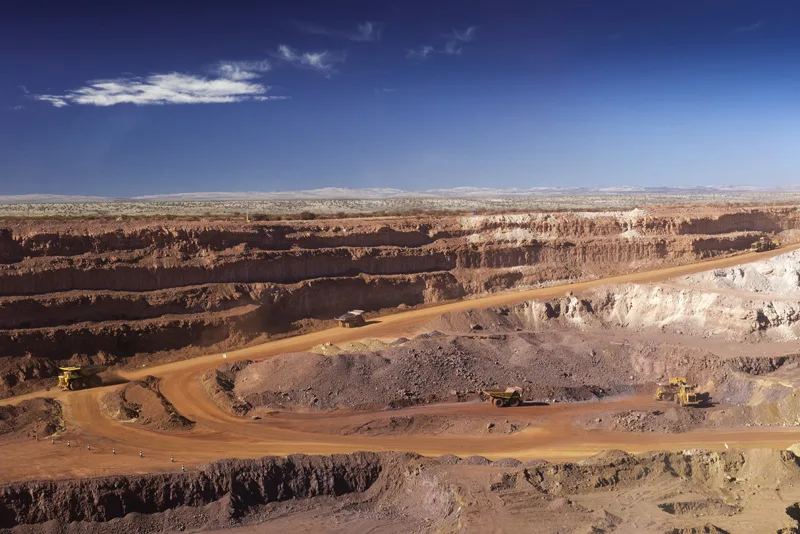
At Kolomela Mine, renewable energy is already materially changing the operating profile. Approximately 72% of the mine’s electricity consumption is now supplied through renewable sources, reducing dependence on carbon-intensive grid electricity while lowering emissions intensity.
This transition is also delivering direct financial benefits, with cost savings of approximately R600,000 recorded in March alone, alongside reduced exposure to grid volatility.
“Our partnership with Envusa Energy allows Kumba to decarbonise our operations while strengthening the resilience and competitiveness of our business. It is a practical demonstration of how renewable energy can support both mining and South Africa’s economic future,” said Mpumi Zikalala, CEO Kumba Iron Ore.

Energy Security Through Scalable Infrastructure
The K2 cluster highlights how mining companies are adopting new energy delivery models to improve reliability. By using a wheeling mechanism to transmit renewable power across the national grid, the project enables access to cleaner energy without requiring mines to be co-located with generation assets.
This approach strengthens energy security, provides greater flexibility in sourcing power across regions, and creates a scalable pathway for increasing renewable penetration without disrupting existing operations.
Embedding Community Value into Energy Transition
Through the Sishen Iron Ore Company Community Development Trust, local communities are directly linked to the value created by both mining and renewable energy assets.
The Trust holds equity in Kumba and will also have a 10% interest in the Sishen solar project, enabling long-term investment in education, healthcare, infrastructure, and local livelihoods.
This article was produced by the editorial team at Mining Outlook and published as part of the Outlook Publishing global network of B2B industry magazines.
Outlook Publishing delivers industry insights, company stories, and sector coverage across mining, manufacturing, construction, healthcare, supply chains, food production, and sustainability.
Mining Outlook provides ongoing coverage of organisations and developments shaping the global mining industry.