




As the sport of curling gains traction at this year’s Winter Olympic Games in Milan and Cortina, Italy, we uncover the tiny Scottish island manufacturing the stones crucial to the game, and why their unique mineral properties remain unmatched by any other form of granite in the world.
GRANITE FOR THE ROARING GAME
Curling at the Milano Cortina 2026 Winter Olympic Games has undoubtedly captured the hearts of spectators, with a record number of viewers from across the globe tuning in to watch the drama unfold.
Native to Scotland in the UK, the origins of curling date back to the 16th century, when it was played on frozen lochs and ponds in the Scottish Lowlands.
At the time, participants used flat-bottomed stones obtained from riverbeds, and it soon became known as the ‘roaring game’ thanks to the loud sounds the stones made when gliding over ice.
By the 1900s, Scottish emigrants had popularised the sport in Canada, which soon evolved to include more structured rules, regulations, and standards.
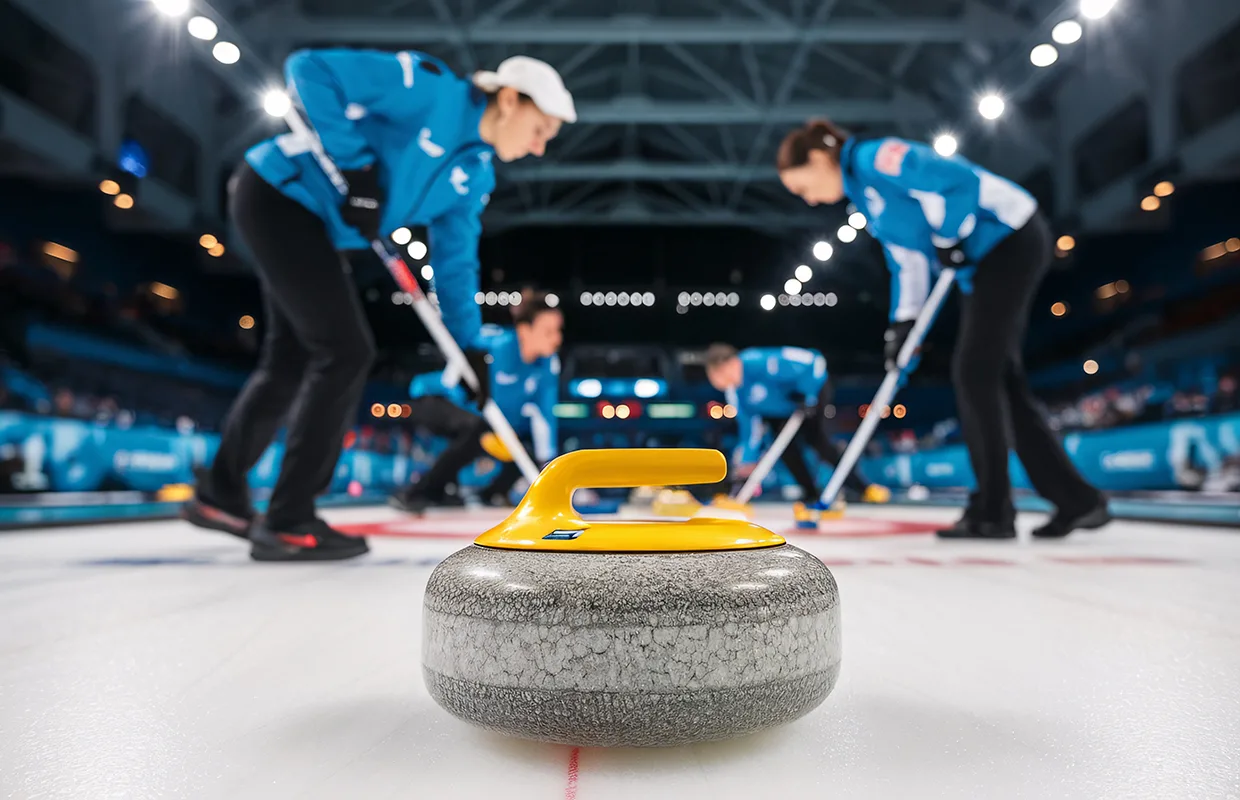
Today, curling comprises two teams alternating in turn to slide polished granite stones across smooth ice towards a large, circular target.
Each stone weighs around 18 kilogrammes, and the aim of the game is to finish closer to the target’s centre than your opponent.
Scotland remains the undeniable home of curling, with World Curling – the global governing body for the sport – being based in Perth, and the Great British women’s and men’s teams winning silver and gold medals, respectively, at the Beijing 2022 Winter Olympic Games.
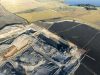
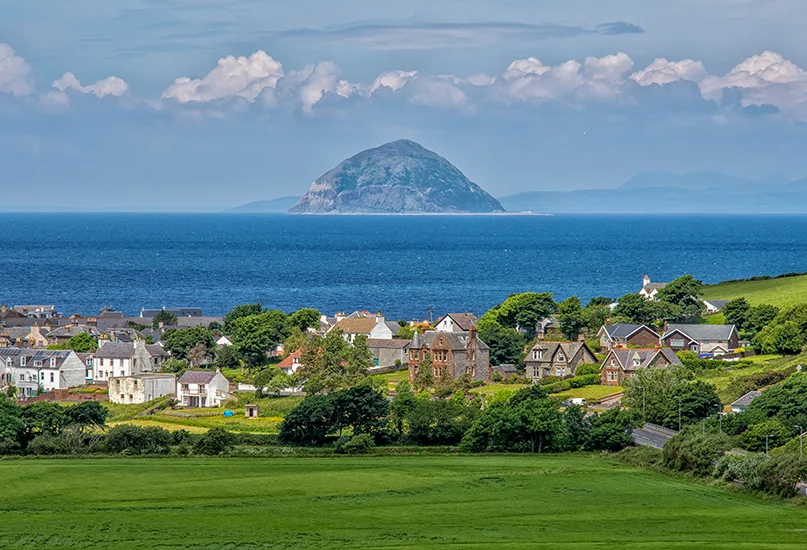
Indeed, the stones that are crucial to the game also hail from Scotland. Specifically, those used on the Olympic and European Curling Championship circuits are made exclusively of granite quarried from Ailsa Craig – a small, uninhabited island in the Firth of Clyde.
Thanks to its characteristics as the hardest and purest form of granite in the world, Ailsa Craig granite has undeniably become a cornerstone of modern curling.
UNIQUE GRANITE COMPOSITION
Formed from the cooling and solidifying of magma around 60 million years ago – the same volcanic activity that formed what would one day become the Giant’s Causeway in Belfast, Northern Ireland – Ailsa Craig granite is unusually low in aluminium.
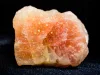
This extraordinary magmatic event also led to the presence of unique components presiding within the rock – such as arfvedsonite, aegirine, and aenigmatite – alongside more commonly found minerals such as feldspar and quartz.
The presence of these minerals makes the granite notably robust and resistant to chipping – particularly when in moist, wet conditions such as the icy surfaces encountered in curling.
Furthermore, in a game where stones frequently knock into each other, and their ability to glide consistently is paramount, being resistant to cracking and condensation becomes an even more important consideration when manufacturing curling stones.
Today, three types of granite are quarried on Ailsa Craig – common green, red hone, and blue hone – all of which have similar properties.
Red hone is close to extinct, having been gradually quarried away over the years, leaving common green and blue hone granite to make up the key components of the modern curling stone.
It is the former that is used to create the body of the Olympic curling stone, or the ‘striking band’, whilst the latter – the higher quality and more hard-wearing of the two – is fitted to the base to form the ‘running band’ which enables the stone to glide effortlessly over ice.
A CENTURY OF SUCCESS
Kays Scotland (Kays) has been diligently making curling stones since 1851 and holds the exclusive rights to manufacturing Ailsa Craig granite, as granted by the island’s owner, the Marquess of Ailsa.
The small local business has been providing curling stones for use in the Winter Olympic Games since the Chamonix Games in 1924.
Nestled in Mauchline, East Ayrshire, Kays employs just 15 dedicated team members who work to provide meticulously hand-crafted curling stones to the Olympics each year.
At the Beijing 2022 Winter Olympic Games, for example, all 132 curling stones used were extracted from the Ailsa Craig quarry and manufactured by Kays.
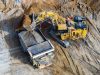
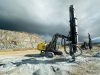
To create the stones, granite is carefully extracted from the island’s quarries – a process that takes place just once a decade due to strict environmental regulations, with the most recent harvest having taken place in 2020.
Then, the granite is transported back to the mainland by boat and stored before being cut, assessed for flaws, ground down to size, and polished up by Kays.
Producing just 2,000 stones per year – an average of 48 stones every working week – the manufacturer’s reputation for hand-crafted quality precedes it.
As the unique properties of Aisla Craig granite remain unmatched today, the tiny Scottish island – with Kays at the helm – is set to continue leading the way for world-class curling stones in the Milano Cortina 2026 Winter Olympic Games and beyond.