




In the dazzling, dynamic world of watermelon tourmaline, we unearth a fruitful gem where striking colours and emotional healing intertwine, forming nature’s own masterpiece. These juicy jewels exhibit a radiant gradient infused with positive energy.
WHIMSICAL WATERMELON TOURMALINE
Known for its extraordinary range of colours and variations, tourmaline is a fascinating and multifaceted gemstone that belongs to a diverse family of boron silicate minerals.
By the late 1800s, mineralogists had begun to classify the stone into two primary varieties – elbaite, known for its electric colours, and schorl, the darker variety. Today, the rich and diverse tourmaline group comprises 44 distinct mineral species.
With a remarkable crystalline structure, it displays a captivating prism of colours, with blacks and rich blues that evoke a sense of mystery and allure, whilst vibrant pinks and greens burst with lively energy, showcasing the gem’s unique charm and complexity.
Indeed, its name reflects its diverse colour spectrum, as tourmaline is derived from the Sinhalese word toramalli, meaning ‘mixed gems’.
One of the jewel’s most intriguing features is its ability to produce multiple shades in a single crystal, a phenomenon known as colour zoning.
This characteristic is particularly notable in watermelon tourmaline, a visually striking variety renowned for its extraordinary colour gradient, which distinguishes it from other gemstones.
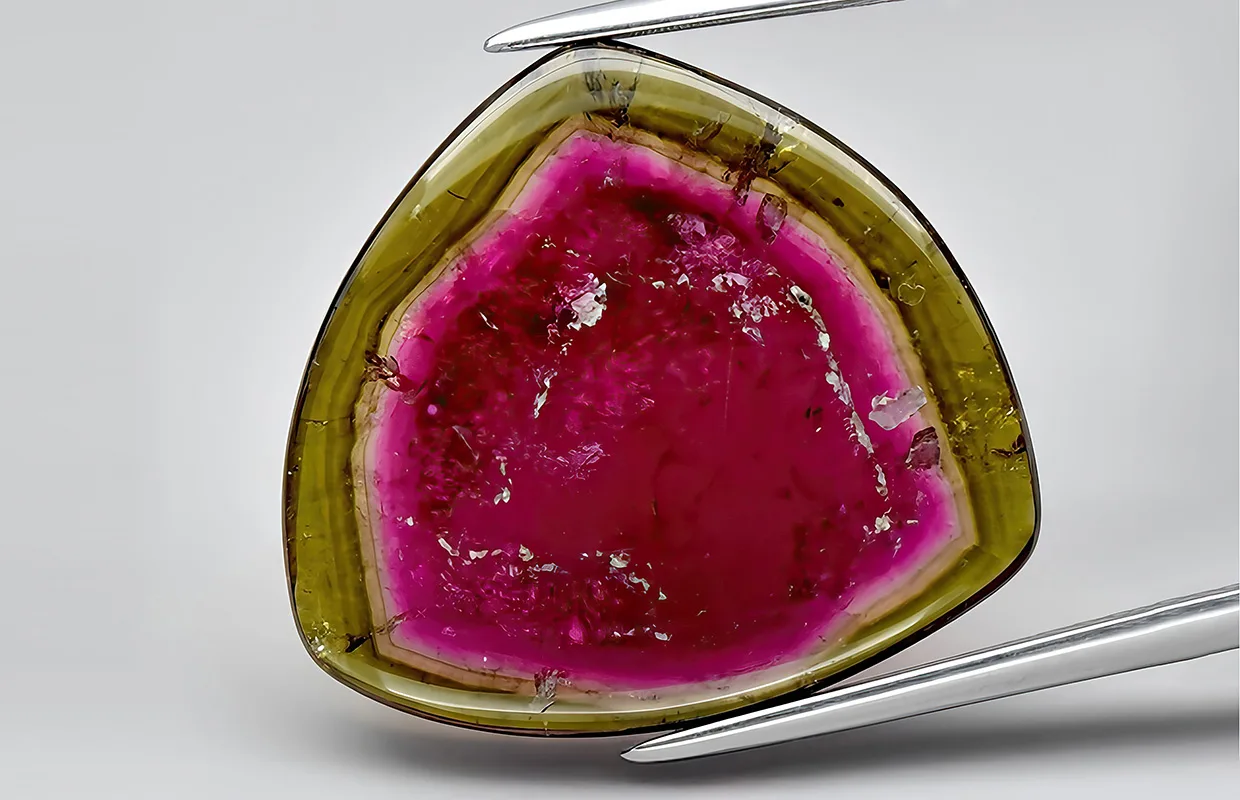
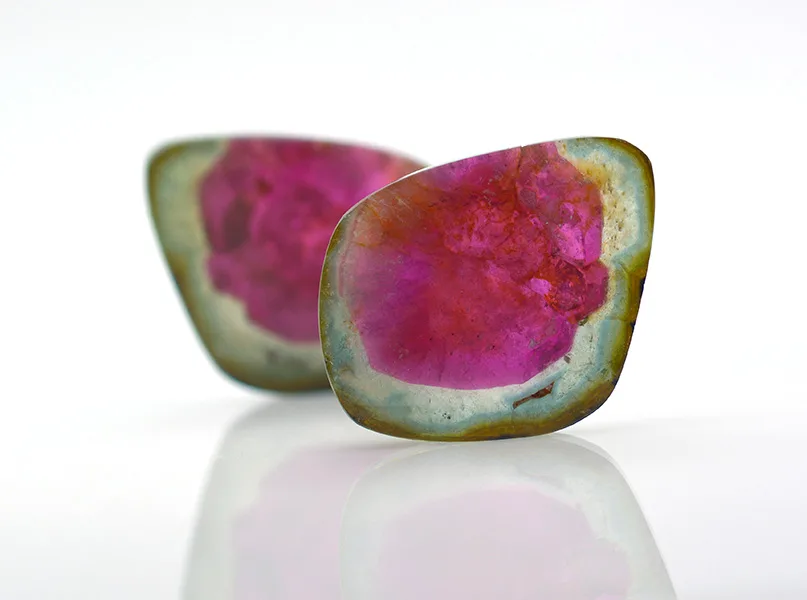
Manganese impurities cause a bright pink or deep red core that elicits the luscious flesh of a ripe watermelon, elegantly encircled by a rich green outer layer reminiscent of the fruit’s protective rind. This spectacle results from the presence of chromium or vanadium.
The harmonious blend of irresistable colours in watermelon tourmaline creates a dazzling, lively aesthetic, making it a prized choice for both gem enthusiasts and skilled jewellers.
Its unique appearance and vibrant colours attract attention and admiration, enhancing the beauty of any jewellery piece. Moreover, watermelon tourmaline’s durability makes it an excellent choice for a wide range of settings, from elegant rings to stunning pendants.
A SLICE OF SCIENCE
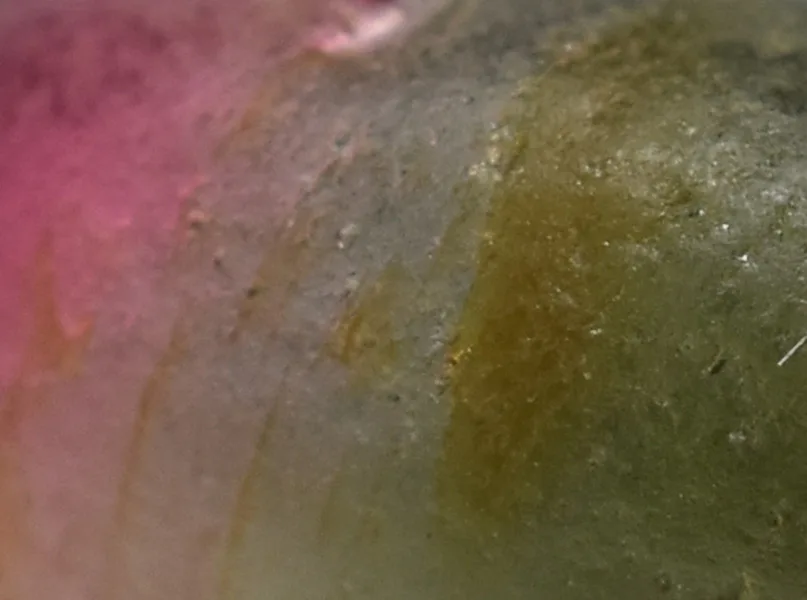
The colour zoning in watermelon tourmaline results from variations in the chemical environment during its formation.
Initially, a high concentration of manganese gives the inner core a pink to red hue, but as the fluid’s composition changes, elements like iron or chromium become more abundant, forming the outer green layer.
Tourmaline, a cyclosilicate, has a crystal structure organised in ring-like silicate tetrahedral units connected by various elements, including lithium, aluminium, iron, magnesium, sodium, and calcium. These trace elements contribute to the gem’s wide range of colours.
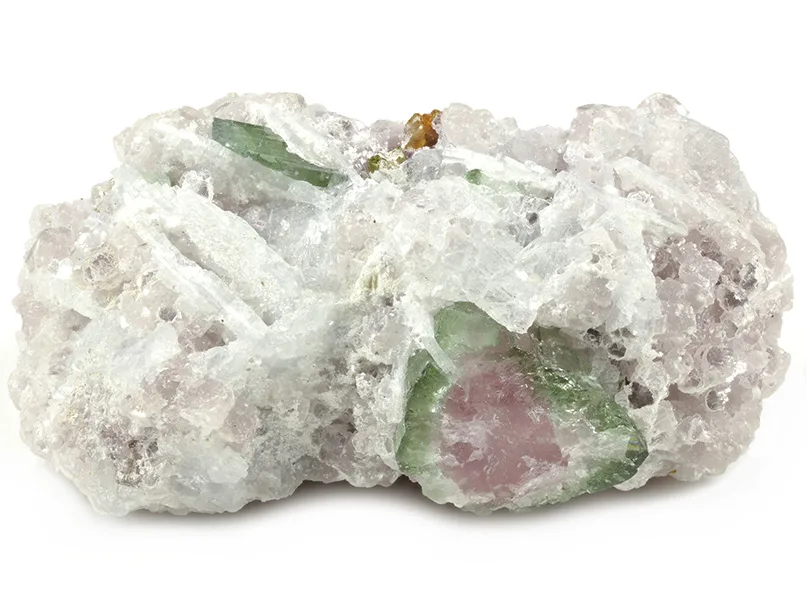
Watermelon tourmaline crystals form in lithium, manganese, and boron-rich granite pegmatites – coarse-grained igneous rocks that host rare elements.
As these elements cool and solidify from residual magma, they create a visual record of the gemstone’s formation, fostering awe and respect for nature’s intricate processes.
Unlike the longitudinal bi-colour or polychrome zonation seen in other tourmalines, watermelon tourmaline primarily consists of elbaite, fluor-elbaite, or liddicoatite, all of which are species classified within the tourmaline group.
Watermelon tourmaline is typically cut into slices to showcase its impressive colour zones. Lapidaries – skilled artisans specialising in cutting, shaping, and polishing gemstones – focus on selecting the best angles to emphasise the striking gradient from pink to green.
The most prized stones exhibit a sharp contrast between these colours with minimal blending. However, achieving this whilst faceting the stone and maintaining this balance can be challenging due to common inclusions and natural fractures in tourmaline crystals.
In their raw state, watermelon tourmaline crystals are often long and columnar, which makes them ideal for slicing or cutting into cabochons – gemstones shaped and polished into a smooth, rounded form.
The sleek emerald-cut watermelon tourmaline is highly sought after for its remarkable ability to display the entire colour spectrum in a single stone, maximising its brilliance and colour zoning.
MINING MAP
Although found in several locations around the world, including various regions of Africa and the expansive landscapes of the US, Brazil remains the most notable source of watermelon tourmaline, with sizeable deposits in Minas Gerais, the Brazilian state known for producing high-quality gems.
Other significant places include Madagascar, which creates jewels that are renowned for their striking colour contrasts, whilst Nigeria produces fine watermelon tourmaline with vivid hues.
Elsewhere, Afghanistan is known for its exquisite bi-coloured gemstones whereas the US, specifically California and Maine, with deposits prized for their rich pink and green hues, are the regions most recognised for their high-quality watermelon tourmaline production.
However, the most famous mineral specimens originate from the Tourmaline King Mine and the Himalaya Mine in San Diego, California. Throughout the 20th century, the latter was one of the largest producers of gem and specimen-grade tourmaline in North America.
Watermelon Tourmaline is also present in Africa, particularly Namibia and Nigeria, as well as in Sri Lanka and Australia.
Recently, exceptional specimens have been mined in the Goma region of the Democratic Republic of the Congo (DRC).
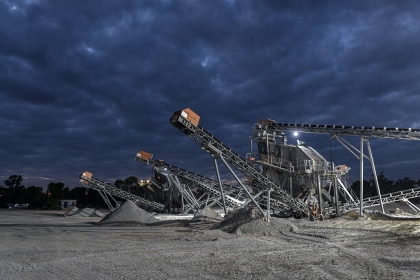
Watermelon tourmaline is mined using either open-pit or tunnel mining methods, depending on the depth of the deposit. Miners typically extract tourmaline crystals from pegmatite veins, which are subsequently sorted and graded by colour, clarity, and size.
A TALISMANIC BEAUTY
Watermelon tourmaline is admired not only for its stunning aesthetics but also for its vibrant energy and cultural significance.
This combination adds depth to its appeal, making the gem a favourite amongst those who seek harmony and positivity – whether worn as jewellery or kept as a cherished stone.
In recent years, watermelon tourmaline has gained popularity in high-end and artisanal jewellery markets for its uniqueness, and is especially favoured by those interested in metaphysics.
The green layer represents the nurturing and healing energies of nature, whilst the pink embodies love, compassion, and emotional healing, resonating closely with the heart chakra.
Enthusiasts cherish watermelon tourmaline for its ability to foster emotional healing, balance, and love, inspiring hope and spiritual growth amongst those interested in metaphysics.
Additionally, the gemstone is thought to balance masculine and feminine energies, creating harmony within the owner and in their relationships.
Worn by many to stimulate creativity and encourage out-of-the-box thinking, watermelon tourmaline’s symbolic colours inspire joy, vitality, and a positive outlook on life. It is regarded as a powerful companion for personal journeys, fostering deep spiritual growth and facilitating emotional release.
With the future of watermelon tourmaline promising, its value is expected to grow amidst rising demand and ongoing mining restrictions in Brazil. The Minas Gerais region remains the primary source of high-quality watermelon tourmaline, and as mining yields decline, the rarity and value of these gemstones are likely to increase.
With its unique visual appeal and increasing rarity, the stone is becoming an attractive item for collectors, jewellers, and investors alike.
Furthermore, watermelon tourmaline’s talismanic beauty is complemented by its potential for emotional healing and its metaphysical properties, thereby enhancing the gem’s desirability.