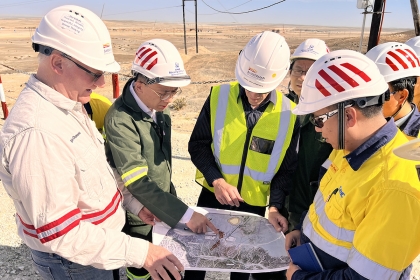






As Europe races to secure critical raw materials, Verde Magnesium is pioneering low-carbon magnesium production in Romania to strengthen supply chains, support automotive decarbonisation, and revive European industrial capability. Alexandru Rosu, CEO, tells us more.
EUROPE’S CRITICAL MINERALS COMEBACK
As it undergoes a structural shift, Europe’s mining and minerals sector is being transformed.
Over the last few decades, the primary production of metals and critical raw materials (CRMs) has moved gradually away from Europe, leaving the continent dependant on imports.
“Magnesium is one of the clearest examples of this – the EU does not currently produce a single tonne (t) of primary magnesium metal, although it is essential for the automotive, aerospace, and defence industries and producing aluminium alloys. The situation is similar in the US,” opens Alexandru Rosu, CEO of Verde Magnesium – a strategic project under the EU’s CRM Act.
Indeed, in the last three to four years, the region’s policy framework has changed noticeably, with the CRM Act, the Industrial Accelerator Act (IAA), Carbon Border Adjustment Mechanism (CBAM), and RESourceEU Action Plan all coming into play.
“For the first time, we’ve created a coherent trajectory for the industry – Europe wants to rebuild its own capacity in CRMs around its own environmental and social standards,” Rosu excites.
The recently signed EU-US Memorandum of Understanding (MoU) on CRMs reinforces this momentum by establishing a transatlantic framework for cooperation on supply chain diversification.
“The political will exists; now, the implementation policies need to catch up to overcome the factors that have insofar determined a lack of competitivity and ultimate disappearance of CRM industries from the EU and US,” he insights.
The sector faces other clear challenges, with energy prices remaining too high to support energy-intensive processing, and the implementation of green and low-carbon technologies competing with imports that rely on coal.
In addition, local content quotas are missing, financing instruments are not yet adapted to the realities of CRM projects, there are no dedicated grant calls for mining or strategic operations, and the standard application templates do not fit the unique nature of these investments.
“These challenges need to be addressed in an integrated manner, offering investors the tools and mechanisms needed to effectively revive Europe’s CRM industries,” he adds.
SUSTAINABLE, LOW-CARBON FUTURE
On track to become the first European magnesium producer in 25 years, Verde Magnesium is pioneering a sustainable, low-carbon approach to magnesium production.
To date, the company is the only European strategic project for magnesium designated under the CRM Act.
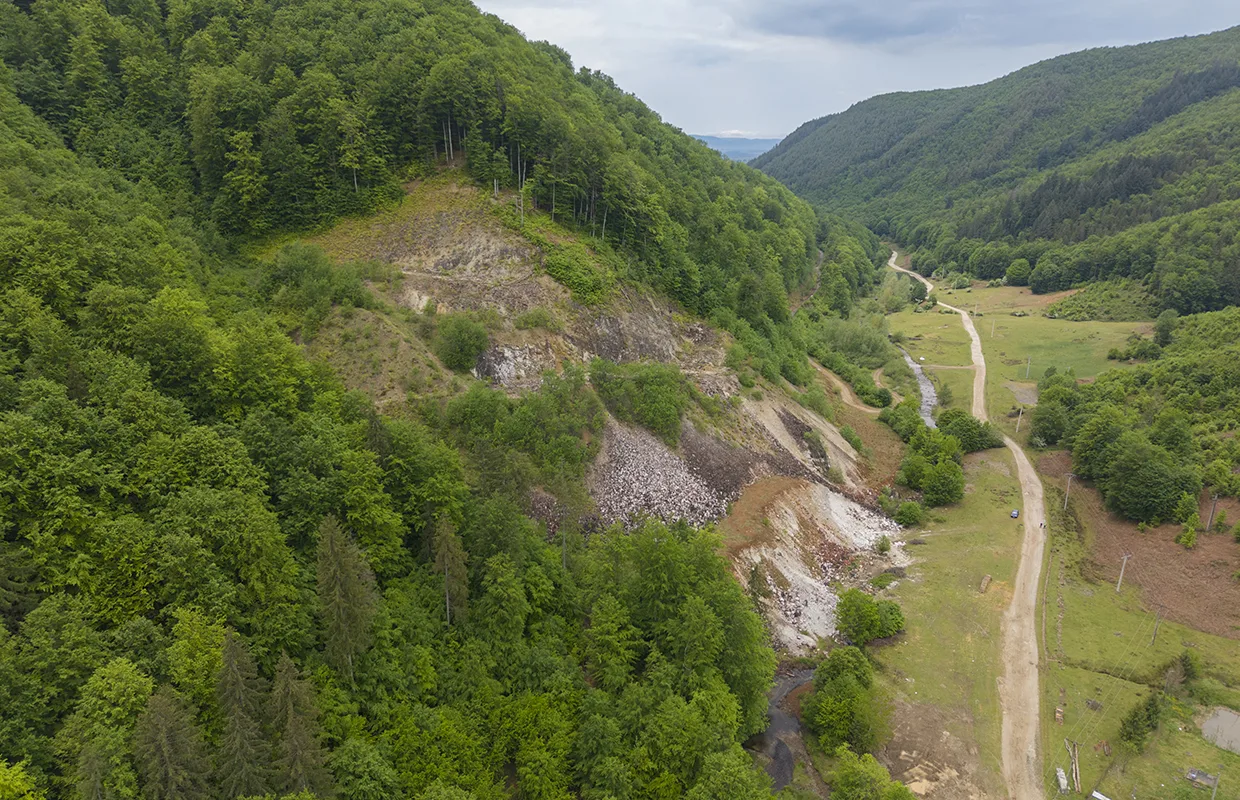
“Our mission is to create a sustainable, low-carbon, and circular model for the European magnesium metal supply chain over the next two decades on the Budureasa deposit in Bihor County, Romania,” Rosu tells us.
Indeed, he points out how the sustainability profile of the project is built into its geology and process design – rather than being an add-on.
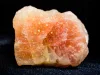
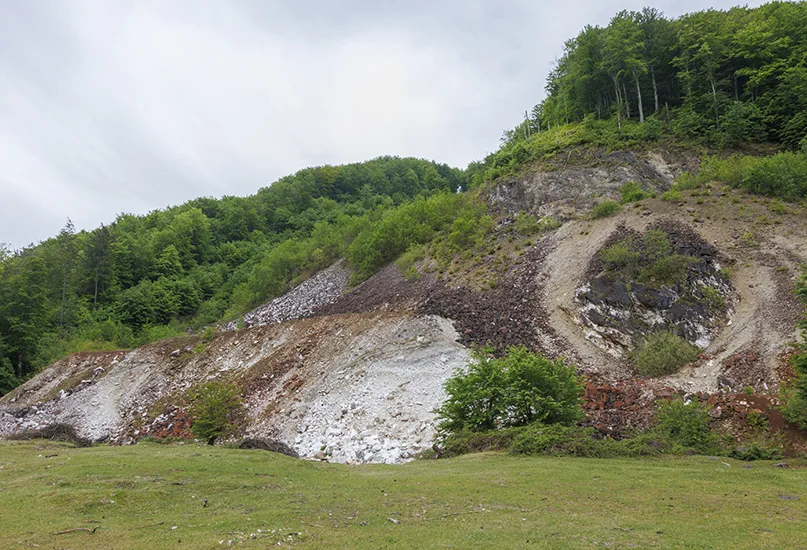
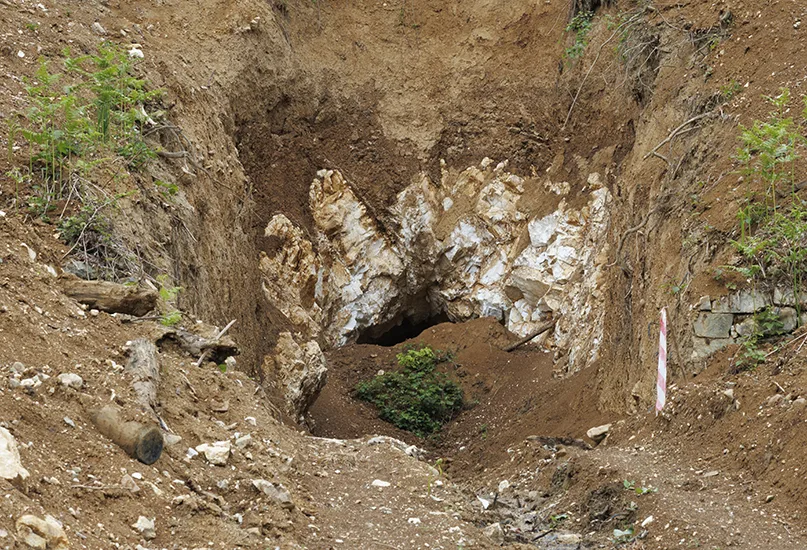
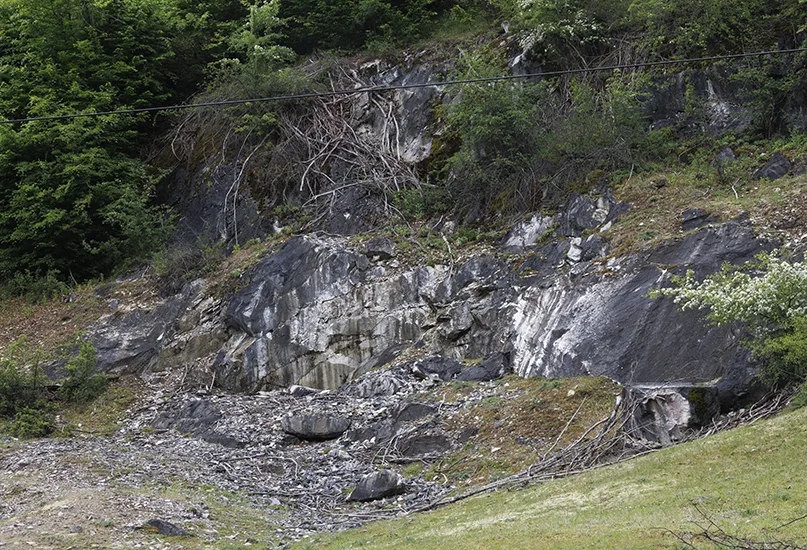
The deposit itself is a brucite-rich resource of magnesium hydroxide that co-exists with dolomite and calcite in alkaline, chemically stable rock.
“From a mining perspective, the environmental impact will be like that of a construction rocks quarry, of which there are thousands across Europe,” Rosu explains.
Verde Magnesium’s process, meanwhile, involves an aluminothermic reduction route using calcined ore and aluminium scrap together with electric furnaces, dry processing, and full carbon dioxide (CO₂) capturing and processing for valorisation as dry ice.
“There is no cyanide, acid-leaching tailings dam, sulphide ore, heavy-metal compounds, chlorine, or emissions involved. Even the process’ by-product, calcium aluminate, is a saleable input for the steel and cement industries,” he details.
In terms of its energy strategy, the project’s processing platform is being designed to run on renewable sources – primarily solar with battery storage – with the option to integrate hydro, wind, and geothermal power as the regional energy mix evolves.
“With 100 percent green power, this becomes a near-zero carbon primary magnesium operation,” Rosu continues.
Independent industrial-scale pilot tests have confirmed magnesium metal at 99.9 percent purity, whilst a life cycle assessment (LCA) carried out by the German Aerospace Centre (DLR) has validated the project’s carbon performance, confirming it is the cleanest magnesium metal production process worldwide.
AIDING THE AUTOMOTIVE TRANSITION
As the lightest structural metal – around 35 percent lighter than aluminium and 78 percent lighter than steel – Verde Magnesium recognises the significant role sustainable magnesium plays in the automotive transition towards decarbonised and electrified mobility.
“For electric vehicles (EVs) in particular, this lightweight advantage translates directly into increased range, battery efficiency, and emissions reductions,” Rosu clarifies.
Every kilogramme (kg) removed from the vehicle’s structure decreases energy consumption per kilometre (km) and increases range.
Whilst magnesium is already present in legacy and automotive components such as steering wheels, seat frames, and instrument panel supports, its application is now expanding into larger automotive structural parts, such as transmission casings, structural assemblies, and EV housings.
Indeed, thixomolding and emerging gigacasting techniques have made it economically viable to produce intricate, large-format magnesium components that were not feasible just a decade ago.
“Magnesium being lightweight is not enough, which is why we’re producing magnesium with a cradle-to-gate carbon footprint, which is roughly a few orders of magnitude below the dominant industry process,” he elaborates.
In this way, Verde Magnesium gives European original equipment manufacturers (OEMs) and Teir 1 suppliers an input that is consistent with their supply chain requirements and the environmental and social standards they aim to meet.
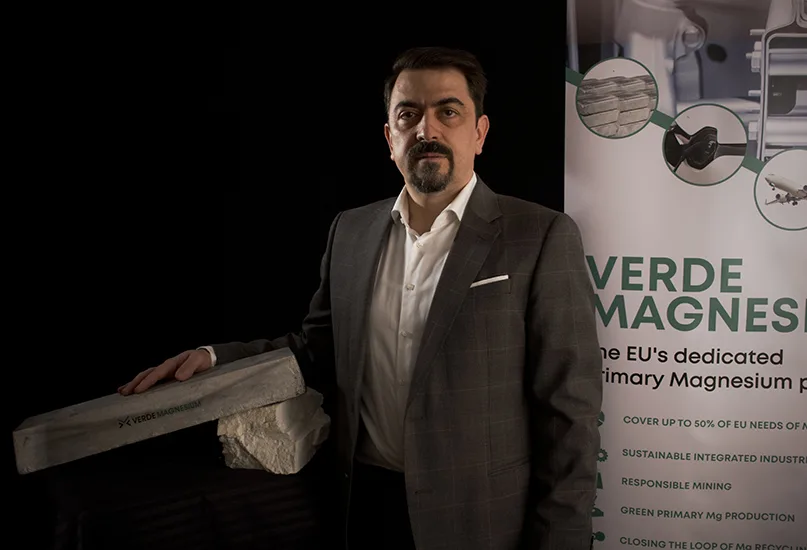
“Our anniversary was more than a celebration – it was an opportunity to reflect on how far we’ve come and reaffirm our commitment to supporting the sustainable growth of mining and metals operations across the region”
Alexandru Rosu, CEO, Verde Magnesium
EUROPEAN SUPPLY ALTERNATIVE
With Europe’s magnesium demand currently being met entirely by imports, it is more important than ever for Verde Magnesium to offer the continent an internal supply alternative.
“The global market is highly concentrated, with China providing 90 percent of global production, exposing every European industrial user to volatility driven by factors outside of their control, such as energy prices, environmental policy adjustments, freight, and trade measures,” Rosu details.
China’s magnesium industry is mature and efficient on its own technological terms, with a unique industrial ecosystem that enables efficiencies and economies of scale.
An internal European supply alternative diversifies sourcing and allows the procurement of magnesium produced under the continent’s environmental, labour, and governance standards.
“This matters even more in a world where Scope 3 reporting, CBAM, environmental, social, and governance (ESG) standards, and due diligence are increasingly prevalent,” he points out.
It also rebuilds industrial know-how – engineering, metallurgy, and skilled labour – on European soil, which is a precondition for any longer-term reindustrialisation strategy.
“Verde Magnesium aims to add resilient, sustainable, European-standard capacity into a market that today has none of it,” he says.
ACTIONING ROMANIAN RESOURCES
As Verde Magnesium has demonstrated, producing critical raw materials in Europe at the lowest carbon footprint in the world is technically possible.
To become an effective commercial success, however, there is a structural gap in the EU’s carbon-pricing architecture that must be overcome.
Currently, the EU Emissions Trading System (EU ETS) assigns a price to the CO₂ that is emitted inside Europe – but assigns no economic value to the CO₂ avoided when European production substitutes for high-carbon imports.
The result is a structural cost gap – European low-carbon producers carry a higher cost base than coal-fed incumbents, and the verified climate benefit they deliver is therefore not reflected in the price.
“The illustrative arithmetic is striking – one t of European primary magnesium produced via our route avoids approximately 25 t of CO₂ relative to the dominant imported alternative,” Rosu exemplifies.
At the current EU allowance price, the avoided emissions has a carbon-cost equivalent of roughly €1,900 per t of magnesium – comparable in magnitude to the cost gap that today prevents European production from competing.
“The policy fix is straightforward and consistent with the EU’s existing climate architecture: allow a CRM Act-compliant project – together with a verified, third-party LCA – to receive tradeable carbon certificates equivalent to the avoided emissions, sized against the footprint of the displaced import,” he explains.
Rosu also points out that doing so would not weaken the EU’s climate ambition – in fact, it would reward real, additional, and verifiable reductions that the current system simply cannot capture.
As such, Verde Magnesium has shared a structured proposal along these lines with the European Commission, and it believes it deserves serious consideration as part of the upcoming EU ETS review cycle.
“Romania has the resources, and the EU has the policy framework. The technology is valid, and what remains now is execution,” Rosu emphasises.
Working in close cooperation with the European Commission, Romanian authorities, its investors, and host communities in Budureasa and Beiuș, Bihor County, this what Verde Magnesium is focused on going forwards.
SOCIALLY RESPONSIBLE
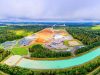
With its future industrial processing platform to be based in Budureasa and the Mother Plant located in Beiuș, Verde Magnesium engages with Romanian communities directly, transparently, and on an ongoing basis.
“The economic benefits of our activities flow through several channels, such as the land lease and concessions income afforded to local landowners,” Rosu shares.
Direct employment is also a tangible benefit, with the company’s mining phase requiring between 100 and 120 staff at full development, the magnesium smelter up to 200, and the magnesium compounds line up to 100.
“Indirect employment and service contracts – catering, transport, maintenance, security, and technical services – are also required, boosting local employment,” he adds.
Further to this, local tax revenues to the municipality, which have the potential to generate budget surpluses, are redirected to community-priority projects.
Beyond direct economic contribution, Verde Magnesium has committed to and is already delivering community support.
This is taking place across education, cultural heritage, sporting events (such as the Budureasa Mountain Running competition), and ongoing engagement with vocational schools, enabling Verde Magnesium to align training with the skills its project will eventually require.
“Our principle is simple – a project is sustainable in the long-run only if the host community benefits in measurable, verifiable ways and is treated as a partner, not a stakeholder to be managed,” Rosu notes.
“Our principle is simple – a project is sustainable in the long-run only if the host community benefits in measurable, verifiable ways and is treated as a partner, not a stakeholder to be managed”
Alexandru Rosu, CEO, Verde Magnesium
DELIVERING ON THE FUTURE
Looking ahead to the next 12 months, Rosu reflects on how Verde Magnesium is focused on converting strategic priorities into hard deliverables.
This includes implementing a robust Environmental and Social Impact Assessment (ESIA) with environmental resource management (ERM) aiming to be finalised in 2027, and a scoping study and biodiversity baseline already in place.
It will also undertake a field data verification campaign within the frameworks of a modern quality assurance and control protocol.
“We will execute the twinning and infill drilling programme, aiming to certify and extend the historical geological information via a fully Joint Ore Reserves Committee (JORC)-compliant mineral resource and ore reserve estimate,” Rosu asserts.
Verde Magnesium also has plans to restart the mine this year by putting the existing quarry back into production by the end of 2026, which restarts the operational cycle and starts generating local benefits.
In terms of magnesium metal production, it will begin with the 360 t per annum (tpa) Mother Plant, followed by the construction of a higher capacity smelter of up to 30 kilo tonnes per year by 2030.
“Subject to successful negotiations for firm off-take agreements with various industrial groups in the EU and US, our higher capacity smelter development will be accelerated,” he confidently concludes.
This company profile was produced by the editorial team at Mining Outlook, a publication within the Outlook Publishing global network of B2B industry magazines.
Outlook Publishing showcases organisations and leadership teams shaping sectors including mining, manufacturing, construction, healthcare, supply chains, food production, and sustainability.
Mining Outlook highlights the companies and projects driving progress across the global mining sector.